Seeing Is Believing: The Benefits of Ultrasound for Patients and Providers
Pelvic Pain in Your 20s, 30s, and 40s: Does the Cause Change?
Pelvic Pain in Your 20s, 30s, and 40s: Does the Cause Change?
Pelvic pain isn’t one single condition. It’s a symptom—and what causes it can shift significantly depending on your age.
What you experience in your 20s is not the same as what shows up in your 30s or 40s. Yet most people treat it like one generic issue, which leads to delayed diagnosis, unnecessary suffering, and missed warning signs.
If you want clarity, you need to understand how pelvic pain evolves across life stages.
Pelvic Pain in Your 20s: When It’s Often Dismissed
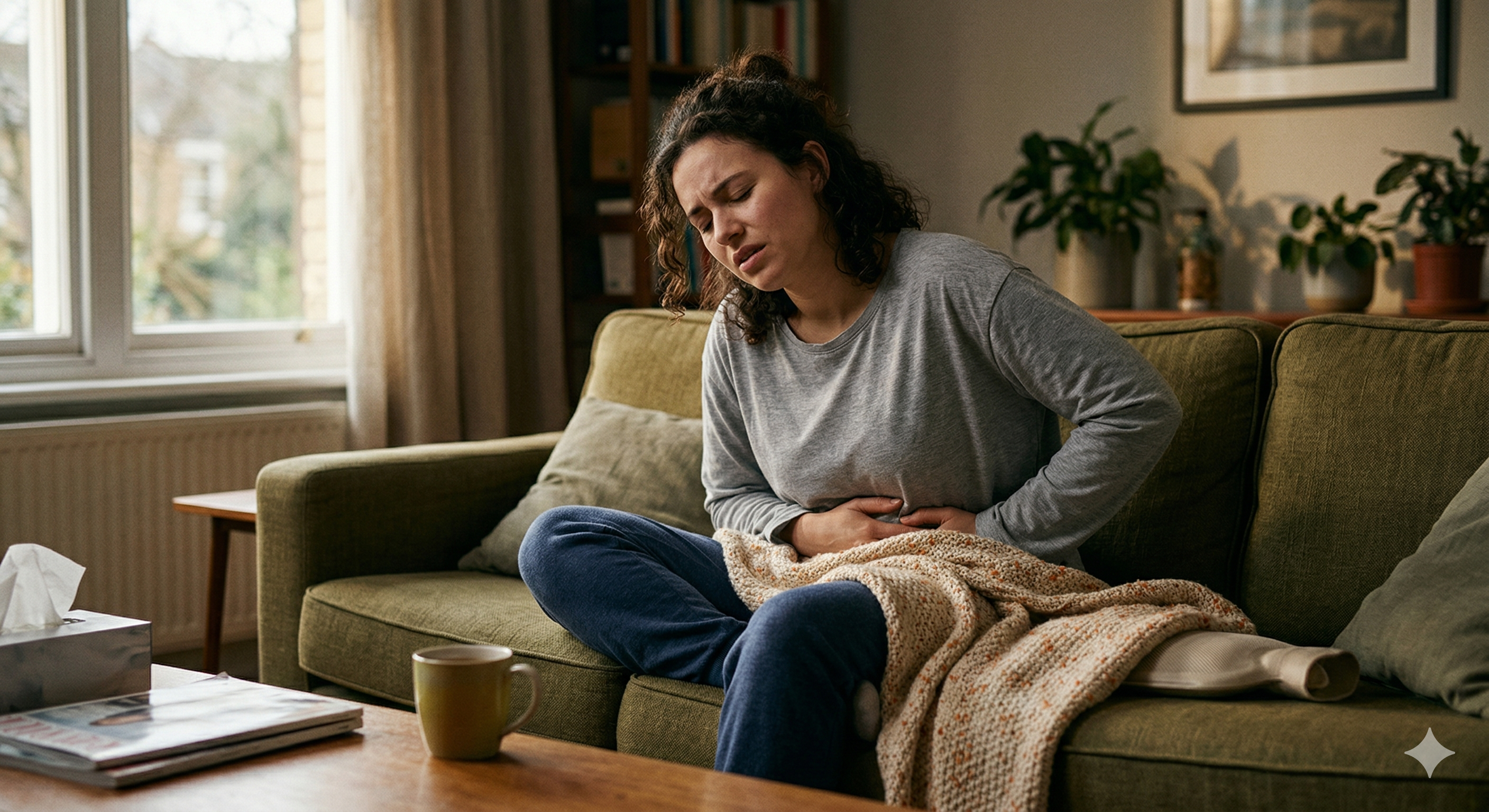
In your 20s, pelvic pain is commonly brushed off as “just part of being a woman.” That mindset is one of the biggest reasons conditions go undiagnosed for years.
Common causes in this stage include:
Painful periods (dysmenorrhea)
Endometriosis
Ovarian cysts
Pelvic inflammatory disease (PID)
Sexually transmitted infections (STIs)
Ovulation pain
For many women, this is the decade where endometriosis begins—but it’s also the decade where it’s most ignored. Severe cramps, pain during sex, or discomfort outside your period are often normalized when they shouldn’t be.
What to watch for:
Pain that interferes with your daily routine
Symptoms that worsen over time
Pain that isn’t limited to your period
These are not things to “manage” quietly. They’re signals that something deeper may be going on.
Pelvic Pain in Your 30s: When Structure and Fertility Come Into Play
By your 30s, pelvic pain often becomes less about occasional discomfort and more about underlying structural or chronic conditions.
Common causes in this stage include:
Fibroids
Endometriosis progression
Adenomyosis
Pelvic floor dysfunction
Pregnancy-related complications
This is also the decade where many women start thinking about fertility. If pelvic pain is present, it shouldn’t be ignored—it can be directly connected to reproductive health.
Fibroids, for example, are very common in this age group and can cause:
Pressure or heaviness in the pelvis
Heavy or prolonged periods
Difficulty conceiving
Adenomyosis, another condition, can mimic regular cramps but often leads to more intense and persistent pain.
What to watch for:
Heavier or longer menstrual cycles
A feeling of pressure rather than sharp pain
Difficulty getting pregnant
At this stage, pelvic pain is less likely to be “temporary” and more likely to be tied to something structural.
Pelvic Pain in Your 40s: When Hormones Begin to Shift
In your 40s, your body starts transitioning toward perimenopause. Hormonal fluctuations can change how pelvic pain feels—and what causes it.
Common causes in this stage include:
Hormonal changes related to perimenopause
Fibroids (which may grow or become more noticeable)
Adenomyosis
Ovarian cysts
Pelvic organ prolapse
You may notice that pain becomes less predictable. It might not follow your cycle the way it used to, and it may come with new symptoms like pelvic pressure or changes in bladder or bowel habits.
What to watch for:
New or unfamiliar types of pain
Symptoms that don’t follow your usual cycle
Persistent discomfort that doesn’t go away
At this stage, it’s especially important not to assume everything is “just hormonal.” Some causes need proper evaluation to rule out more serious concerns.
What Stays the Same at Every Age
Even though the causes change, a few things remain constant:
1. Pelvic pain is not something to ignore
If it’s persistent, worsening, or affecting your life, it deserves attention.
2. Patterns matter
When the pain occurs—during your cycle, after activity, or randomly—can provide important clues.
3. Early evaluation makes a difference
The sooner you understand what’s causing the pain, the easier it is to manage or treat.
When Should You Get Checked?
You should consider a medical evaluation if you experience:
Severe or recurring pelvic pain
Pain that interferes with daily activities
Unusual bleeding or cycle changes
Difficulty conceiving
New or worsening symptoms
A pelvic ultrasound is often one of the first and most effective steps in identifying the cause. It can help detect fibroids, cysts, and other structural concerns.
Final Thoughts
Pelvic pain is not one-size-fits-all—and it doesn’t stay the same throughout your life.
In your 20s, it’s often hormonal or inflammatory
In your 30s, structural issues become more common
In your 40s, hormonal changes and chronic conditions take center stage
Understanding these shifts helps you take the right action at the right time.
For those seeking expert ultrasound services, Atlanta Ultrasound offers quick, efficient, and comprehensive scans. Our team of skilled professionals is dedicated to providing you with the clarity and care you need. Contact us today to schedule your ultrasound scan and take a decisive step towards understanding your health.
📍 Multiple locations in Metro Atlanta, GA
📞 Contact: 678-590-3300
🌐 Website: www.atlantaultrasound.com
Disclaimer: The content of this blog post, authored by a sonographer, is provided for educational and informational purposes only. It is not intended as medical advice, nor should it substitute for professional medical consultation, diagnosis, or treatment. Always seek the advice of your physician or other qualified health providers with any questions you may have regarding a medical condition or health concerns.