
Seeing Is Believing: The Benefits of Ultrasound for Patients and Providers

The Risk of “Boutique” Scans: Why Follicle Tracking Is a Medical Science, Not Just a Photo Op
When you’re going through IVF, every appointment naturally carries weight—because it’s all part of a very intentional, closely monitored process.
You’re keeping up with medications, waiting on updates from your fertility clinic, and hoping each monitoring visit offers a clearer picture of what’s happening in your cycle. It’s also very common to assume that an ultrasound is a standard, straightforward test.
In reality, IVF monitoring ultrasounds are more specialized than most routine imaging. They’re used to give your fertility team detailed information about how your ovaries and uterine lining are responding to treatment. These findings help guide important, time-sensitive decisions around medication dosing, cycle progression, and timing for steps like egg retrieval.
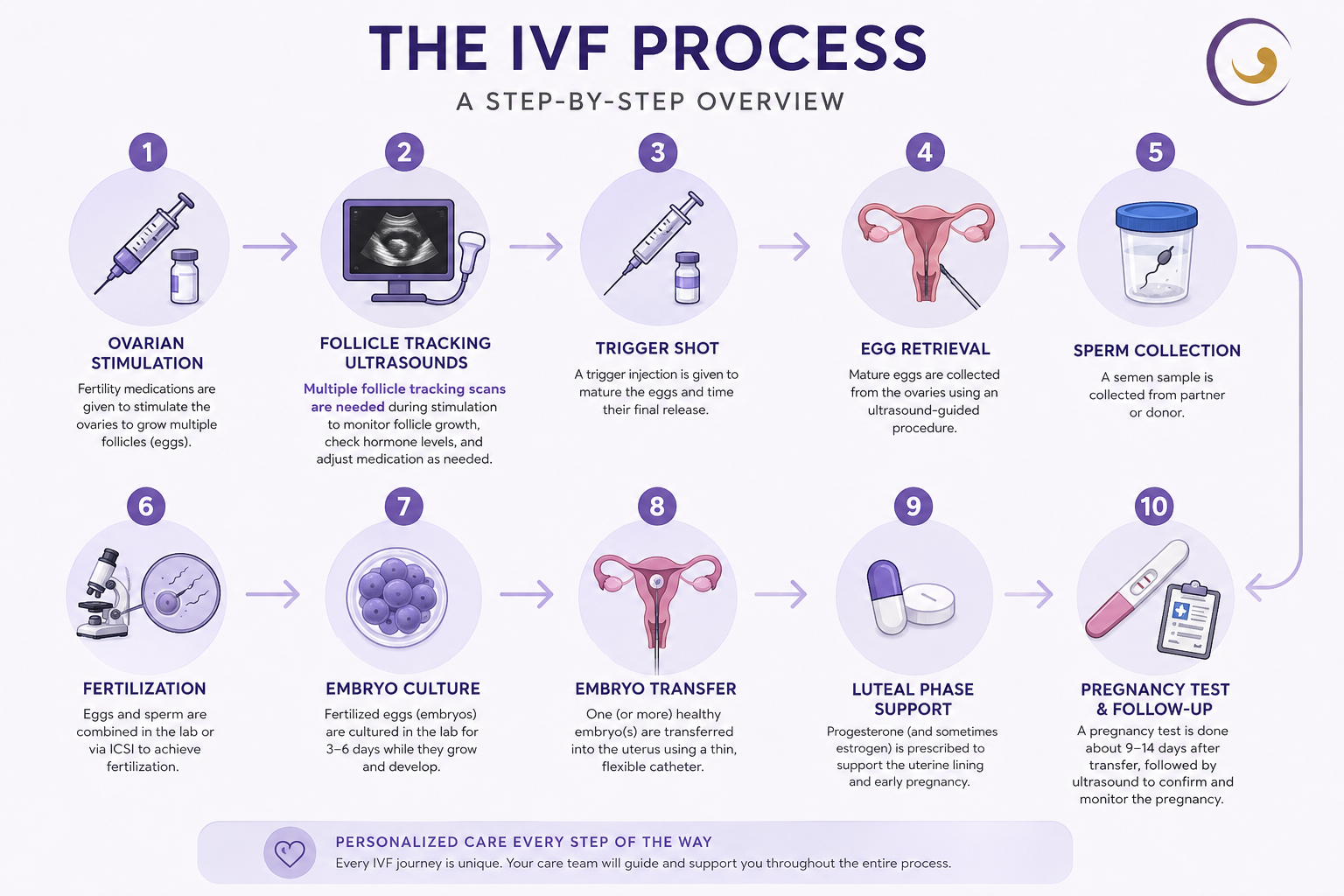
What Is IVF Follicle Monitoring?
During an IVF cycle, your fertility clinic carefully monitors how your ovaries and uterine lining respond to fertility medications. This process is commonly called outside monitoring.
Monitoring appointments often include:
Transvaginal ultrasound imaging
Hormone bloodwork, such as estradiol, luteinizing hormone (LH), and progesterone levels
Together, these findings help your reproductive endocrinologist understand how stimulation medications are working and whether any changes to your medications are needed.
Follicle Tracking Is More Complex Than Most People Realize
From the patient side, an IVF ultrasound can seem straightforward.
You come in, the scan happens, measurements are taken, and you head back to your day.
But behind the scenes, there is a lot of technical precision involved.
Measuring Follicles Requires Accuracy
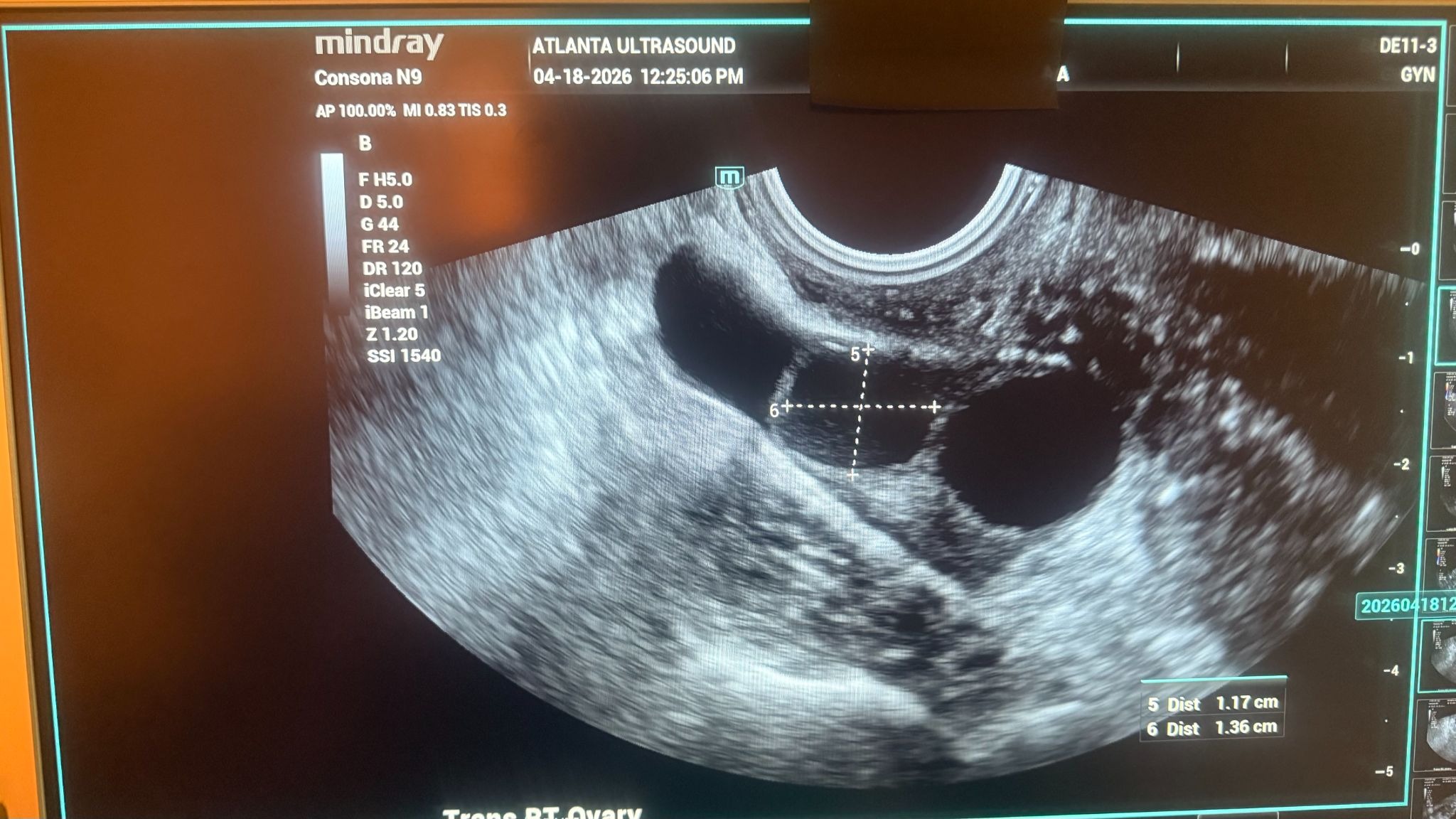
Follicles are fluid-filled structures inside the ovaries that may contain developing eggs (oocytes).
During IVF stimulation, fertility medications encourage multiple follicles to grow. Your fertility team monitors those follicles closely to help determine how your body is responding to medication and when the next steps in treatment should happen.
Because follicles are three-dimensional structures, sonographers measure them in multiple planes during transvaginal ultrasound to obtain accurate size assessments. Many fertility clinics use an average (mean) follicular diameter as part of treatment planning.
These measurements matter.
Follicle size is considered alongside hormone levels, growth trends across multiple visits, and your individualized treatment plan to help fertility specialists decide:
Whether medications should be adjusted
How stimulation is progressing
When an ovulation trigger medication may be appropriate
When egg retrieval timing may be approaching
In IVF, timing is incredibly important, which is why consistency and precision matter during monitoring.
Why Fertility Experience Matters in Outside Monitoring

Here’s something many patients don’t realize:
Not every imaging center specializes in fertility ultrasounds.
General imaging facilities may do excellent work in areas like abdominal imaging, vascular studies, or pregnancy ultrasounds. But IVF monitoring involves a very specific skill set.
Fertility-focused monitoring often requires:
Careful follicle counting in stimulated ovaries
Consistent measurement techniques across visits
Detailed uterine lining assessment
Familiarity with IVF clinic protocols
Timely communication of results to reproductive endocrinologists
Because IVF decisions are often time-sensitive, your fertility team relies on consistent imaging and accurate reporting to help guide treatment.
That doesn’t mean a general imaging center is automatically the wrong choice—but experience with reproductive imaging can make an important difference in consistency and coordination during fertility treatment.
IVF Monitoring Is Medical Imaging—Not a Keepsake Scan
When you’re investing so much emotionally, physically, and financially into IVF, wanting reassurance makes complete sense.
But fertility ultrasounds are not designed to be souvenir appointments. They are diagnostic medical exams intended to provide detailed information your fertility specialist uses to guide treatment.
The goal is not simply getting through the appointment.
It’s making sure your fertility team receives accurate, consistent information so they can make informed decisions about your care.
Because when every detail matters, having experienced monitoring support can help bring a little more clarity to a process that already asks so much of you.
Your Health, Our Priority
At Atlanta Ultrasound, your health is our top priority. We're here to ensure that you have access to high-quality ultrasound services in a warm and caring environment. Located right here in Atlanta, we’re committed to providing our local residents with the best in health and prevention imaging.
📍 Multiple locations in Metro Atlanta, GA
📞 Contact: 678-590-3300
🌐 Website: Learn More
Disclaimer: The content of this blog post, authored by a sonographer, is provided for educational and informational purposes only. It is not intended as medical advice, nor should it substitute for professional medical consultation, diagnosis, or treatment. Always seek the advice of your physician or other qualified health providers with any questions you may have regarding a medical condition or health concerns.
Do not disregard professional medical advice or delay seeking it based on the information presented here.
AI Disclaimer: This post includes AI-generated content, which helps keep costs low while maintaining quality