
Seeing Is Believing: The Benefits of Ultrasound for Patients and Providers
Kidney Stones: Sharp Side or Back Pain That Comes in Waves
Kidney Stones: Sharp Side or Back Pain That Comes in Waves
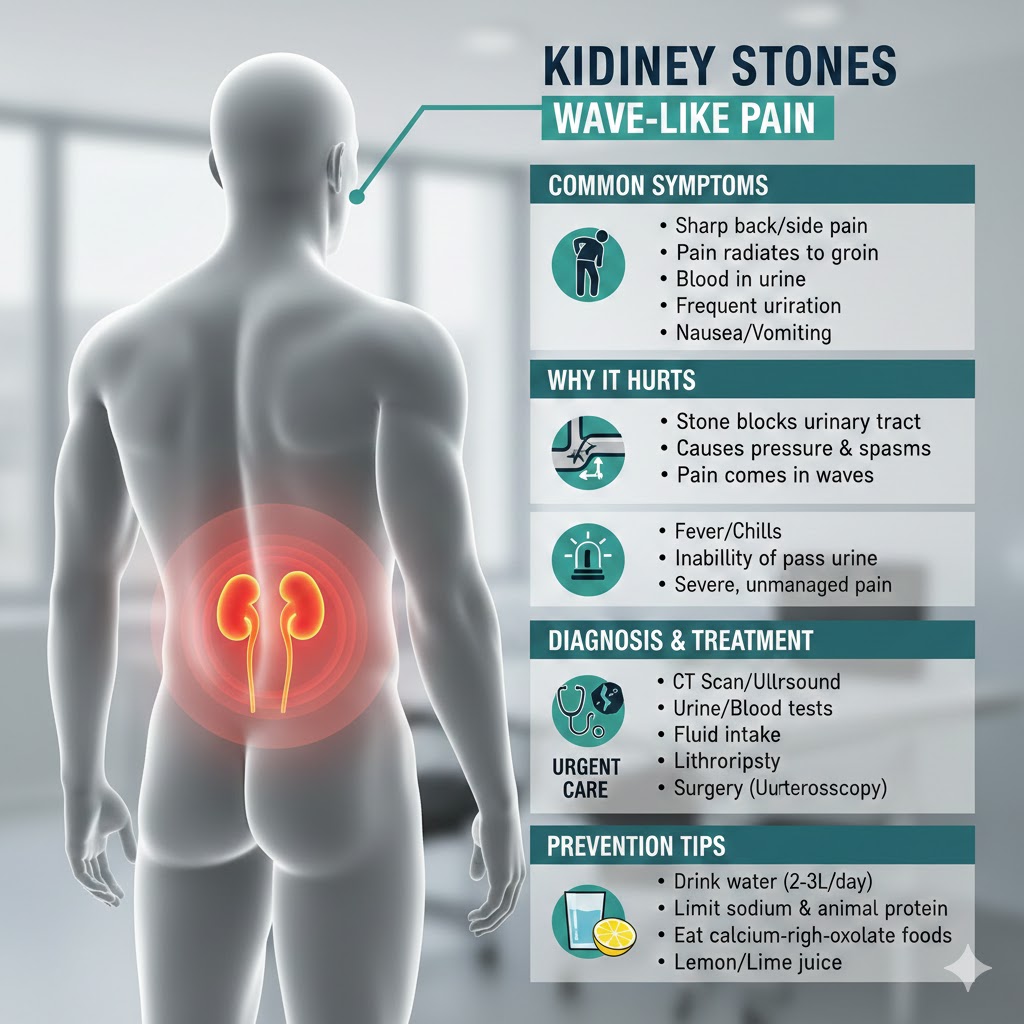
If you’ve ever felt a sudden, intense pain in your side or back that seems to rise and fall like it has a mind of its own, you already understand why kidney stones have a reputation. This type of pain can be frightening because it often comes out of nowhere, feels unbearable, and refuses to let you get comfortable. While not every sharp back or side pain is a kidney stone, that “comes in waves” pattern is one of the more common signs.
Why kidney stone pain comes in waves
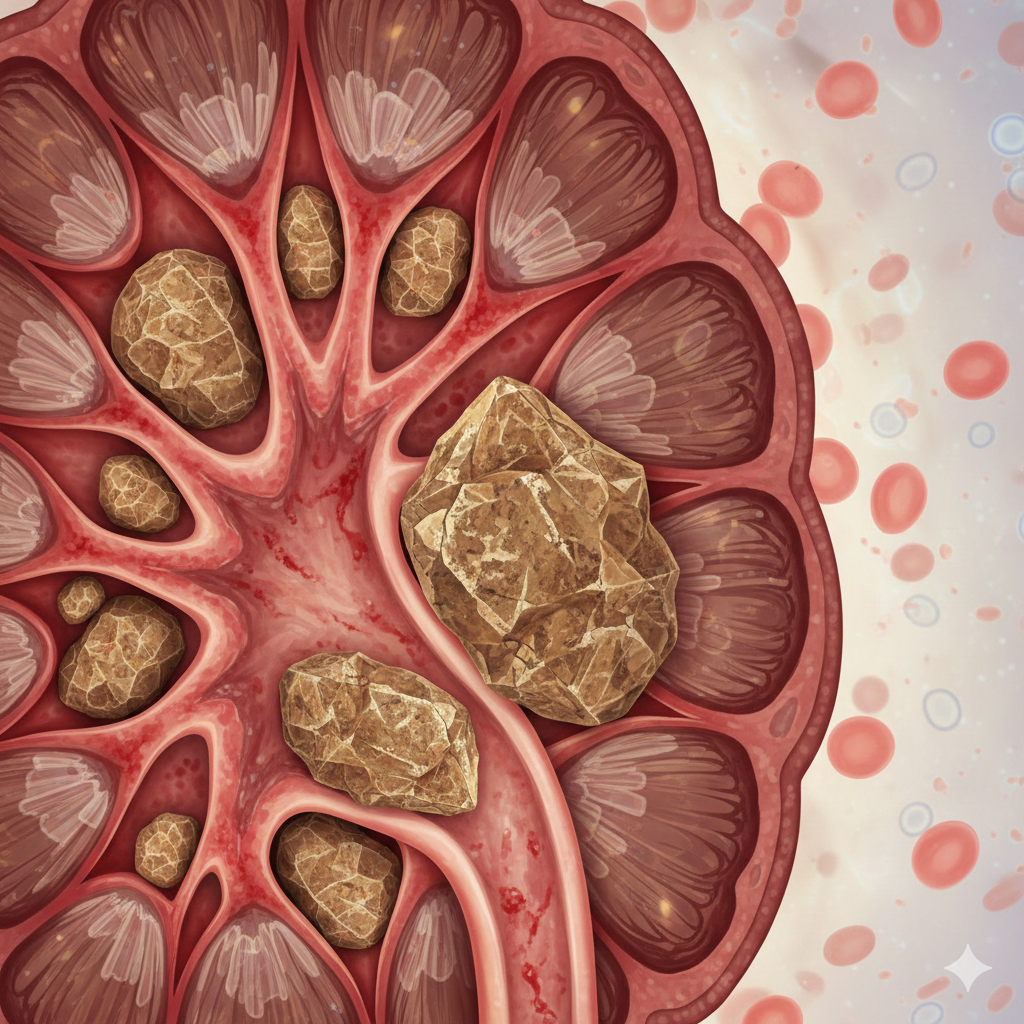
Kidney stones form when certain minerals and salts in urine stick together and harden. Many stones sit quietly in the kidney and cause no symptoms until they start moving. The real trouble often begins when a stone drops into the ureter, the narrow tube that carries urine from your kidney to your bladder.
When a stone irritates or partially blocks that tube, the ureter can spasm as it tries to push the stone along. Those spasms are why the pain often comes in waves. You might feel it build to a peak, ease up slightly, and then return again with full force.
What kidney stone pain usually feels like
Kidney stone pain is typically not vague or mild. It’s usually sharp, intense, and focused on one side of the body. Most people feel it in the side and back, often below the ribs. As the stone moves, the pain can shift downward toward the lower abdomen or groin.
One of the most telling clues is how it affects your body. With a muscle strain, you can usually find a position that helps. With a kidney stone, people often feel restless, pacing or shifting constantly because no position feels right.
Other symptoms that often come with kidney stones
Pain is the headline symptom, but it’s not always the only one. Kidney stones can also cause urinary changes and stomach upset. You might notice burning when you pee, urine that looks pink, red, or brown, or the feeling that you need to urinate often, even if only a little comes out. Nausea and vomiting are also common, especially when the pain is severe.
A major warning sign is fever or chills. That can signal an infection, which can become dangerous when combined with a stone that blocks urine flow.
When you should seek urgent medical care
This is the part many people try to negotiate with. Don’t.
You should get medical care right away if the pain is severe and unrelenting, if you can’t keep fluids down because of vomiting, if you have fever or chills, if you see blood in your urine, or if you are having trouble passing urine. A blocked urinary tract combined with infection is not something to “sleep off.”
How kidney stones are diagnosed
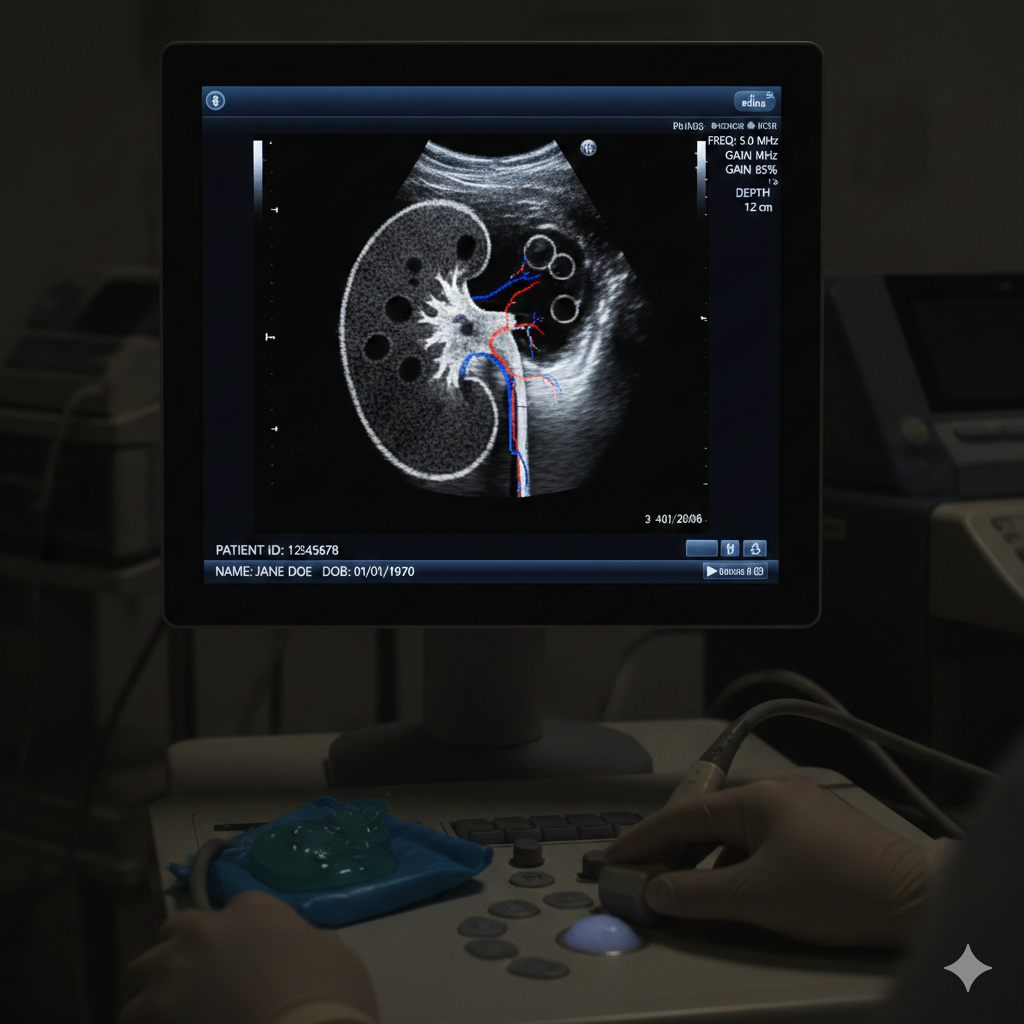
A clinician will usually start with your symptoms and a physical exam, then confirm with testing. Urine tests can show blood or signs of infection. Blood tests can help check kidney function and certain mineral levels. Imaging is often used to find the stone and see whether there is blockage. CT scans are commonly used because they can detect many types of stones and show where they are.
What treatment can look like
Treatment depends on the stone’s size, location, and whether complications are present. Small stones may pass on their own with pain control and hydration, as long as you’re not vomiting and there are no signs of infection or kidney trouble. Larger stones, stones that won’t move, or stones causing blockage may require urology treatment.
Some stones can be broken into smaller pieces using shock-wave methods. Others may need removal through minimally invasive procedures. If you’re dehydrated or unable to manage the pain, you may need IV fluids and stronger medications in a medical setting.
Preventing kidney stones from coming back
Kidney stones have a bad habit of returning, so prevention matters. The most consistent advice across stone types is hydration. When urine is concentrated, minerals are more likely to form crystals. When urine is more diluted, stones have a harder time forming.
Reducing sodium is another big lever. High sodium intake can increase calcium in the urine, which raises stone risk for many people. This is less about the salt shaker and more about packaged and processed foods that quietly carry high sodium.
The best prevention plan depends on the stone type. Calcium oxalate stones, for example, may require attention to oxalate-rich foods and making sure calcium intake from food is appropriate. Other stone types may be linked to higher animal protein intake. If a stone is passed or removed, having it analyzed can help guide a more targeted approach.
Be cautious with supplements as well. Some supplements can contribute to stone risk in certain people, so it’s worth discussing them with a clinician if you’ve had stones before.
The bottom line
Sharp side or back pain that comes in waves is a strong kidney stone signal, especially if it comes with urinary symptoms like burning, blood in urine, or frequent urges to urinate. The moment you add fever, chills, vomiting, or trouble urinating, treat it as urgent.
For those seeking expert ultrasound services, Atlanta Ultrasound offers quick, efficient, and comprehensive scans. Our team of skilled professionals is dedicated to providing you with the clarity and care you need.
Contact us today to schedule your ultrasound scan and take a decisive step towards understanding your health.
📍 Multiple locations in Metro Atlanta, GA
📞 Contact: 678-590-3300
🌐 Website:www.atlantaultrasound.com
Disclaimer: The content of this blog post, authored by a sonographer, is provided for educational and informational purposes only. It is not intended as medical advice, nor should it substitute for professional medical consultation, diagnosis, or treatment. Always seek the advice of your physician or other qualified health providers with any questions you may have regarding a medical condition or health concerns.