
Seeing Is Believing: The Benefits of Ultrasound for Patients and Providers
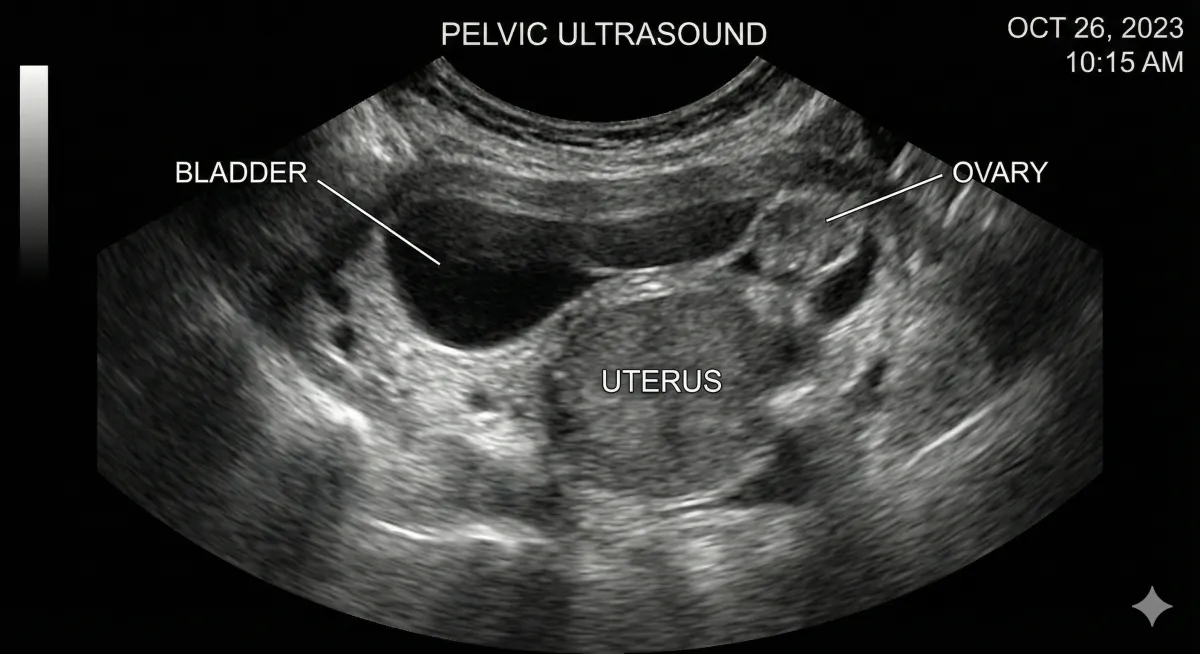
What to Expect During a Pelvic Ultrasound: A Gentle Guide for Women Who Are Nervous
What to Expect During a Pelvic Ultrasound: A Gentle Guide for Women Who Are Nervous
A pelvic ultrasound is a safe, common test used to look at your uterus, ovaries, cervix, and bladder. It uses sound waves, not radiation, and is generally well tolerated—even if you feel nervous beforehand.

Types of Pelvic Ultrasound
There are two main types:
Transabdominal ultrasound
The probe is placed on your lower belly with some gel.
Usually done with a full bladder to improve the images.
Transvaginal ultrasound
A slim, wand-like probe is gently inserted into the vagina.
Done with an empty bladder and gives clearer images of the uterus and ovaries.
Your provider may recommend one or both during the same visit.
How to Prepare
Always follow the instructions from your doctor or imaging center, but typically:
For transabdominal: Drink water beforehand and avoid urinating so your bladder is full.
For transvaginal: Empty your bladder just before the exam; wear a two-piece outfit to make undressing easier.

What Happens During the Exam
Check-in & brief questions
You may be asked about your last period, symptoms, past surgeries, and possible pregnancy.Changing & positioning
You’ll undress from the waist down (for transvaginal) or lower your waistband (for transabdominal) in a private room and will be covered with a sheet.The scan
For transabdominal: Gel is applied to your lower belly; the probe glides over your skin with gentle pressure.
For transvaginal: The covered, gel-coated probe is gently inserted into the vagina and moved slightly to view different angles.
You may feel pressure or mild discomfort, especially if you are tense or your bladder is very full, but it should not be sharply painful. You can always ask the sonographer to slow down, adjust, or pause.
Your Rights
You are entitled to:
Ask who will be in the room.
Request clear explanations of each step.
Ask for a female sonographer, where possible.
Say if something feels painful or overwhelming.
Ask to stop the exam at any time.
After the Ultrasound
The probe is removed, and you can clean off any gel and get dressed in private.
The sonographer usually cannot give you a final diagnosis.
A radiologist or your doctor reviews the images and discusses the results with you.
A pelvic ultrasound does not affect your period, fertility, or an early pregnancy and is widely considered very safe.
If You’re Nervous
Let the staff know you’re anxious—this helps them support you better. Slow breathing, relaxing your muscles, and remembering that the purpose is to protect your health can make the experience more manageable.
In most cases, the scan is brief, respectful, and an important step toward understanding and caring for your pelvic health.
For those seeking expert ultrasound services, Atlanta Ultrasound offers quick, efficient, and comprehensive scans. Our team of skilled professionals is dedicated to providing you with the clarity and care you need.
Contact us today to schedule your ultrasound scan and take a decisive step towards understanding your health.
📍 Multiple locations in Metro Atlanta, GA
📞 Contact: 678-590-3300
🌐 Website:www.atlantaultrasound.com
Disclaimer: The content of this blog post, authored by a sonographer, is provided for educational and informational purposes only. It is not intended as medical advice, nor should it substitute for professional medical consultation, diagnosis, or treatment. Always seek the advice of your physician or other qualified health providers with any questions you may have regarding a medical condition or health concerns.