
Seeing Is Believing: The Benefits of Ultrasound for Patients and Providers
Gallbladder Problems 101: Signs of Gallstones
Gallbladder Problems 101: Signs of Gallstones
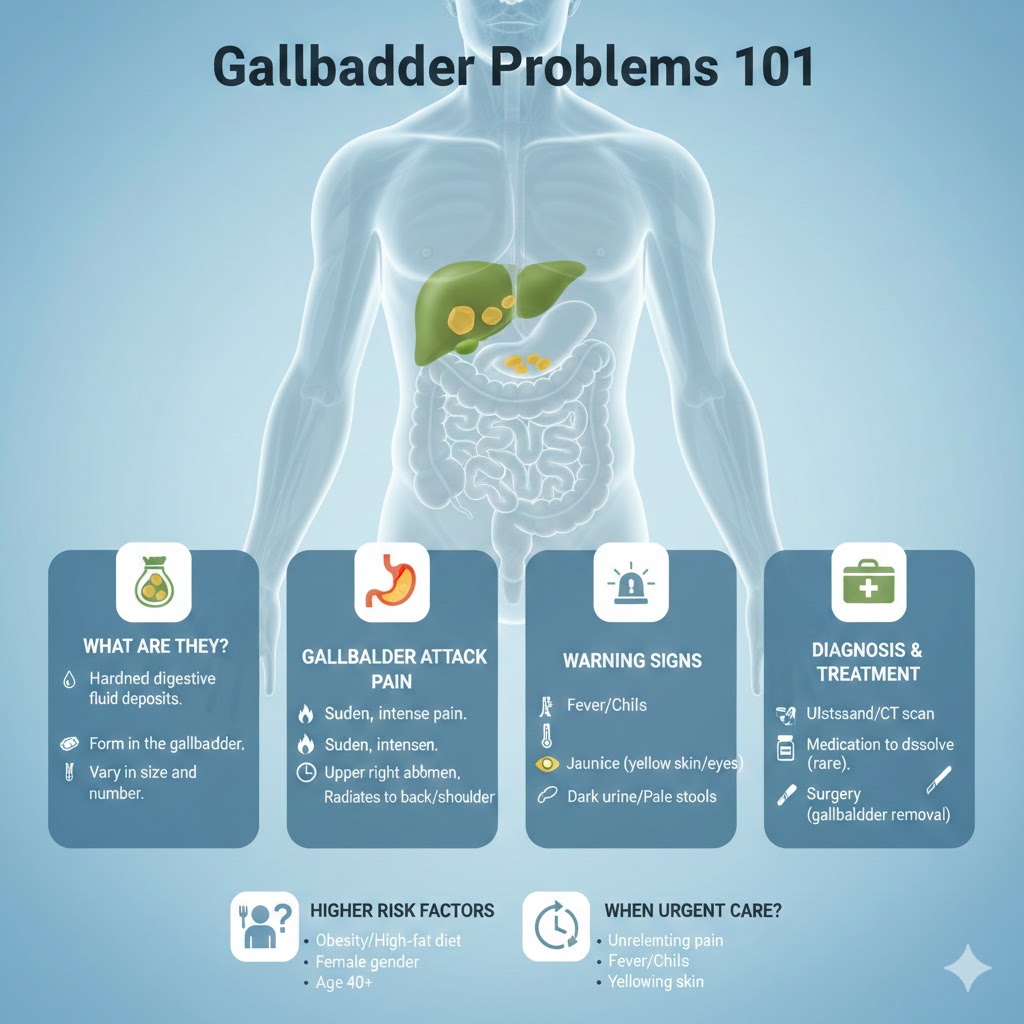
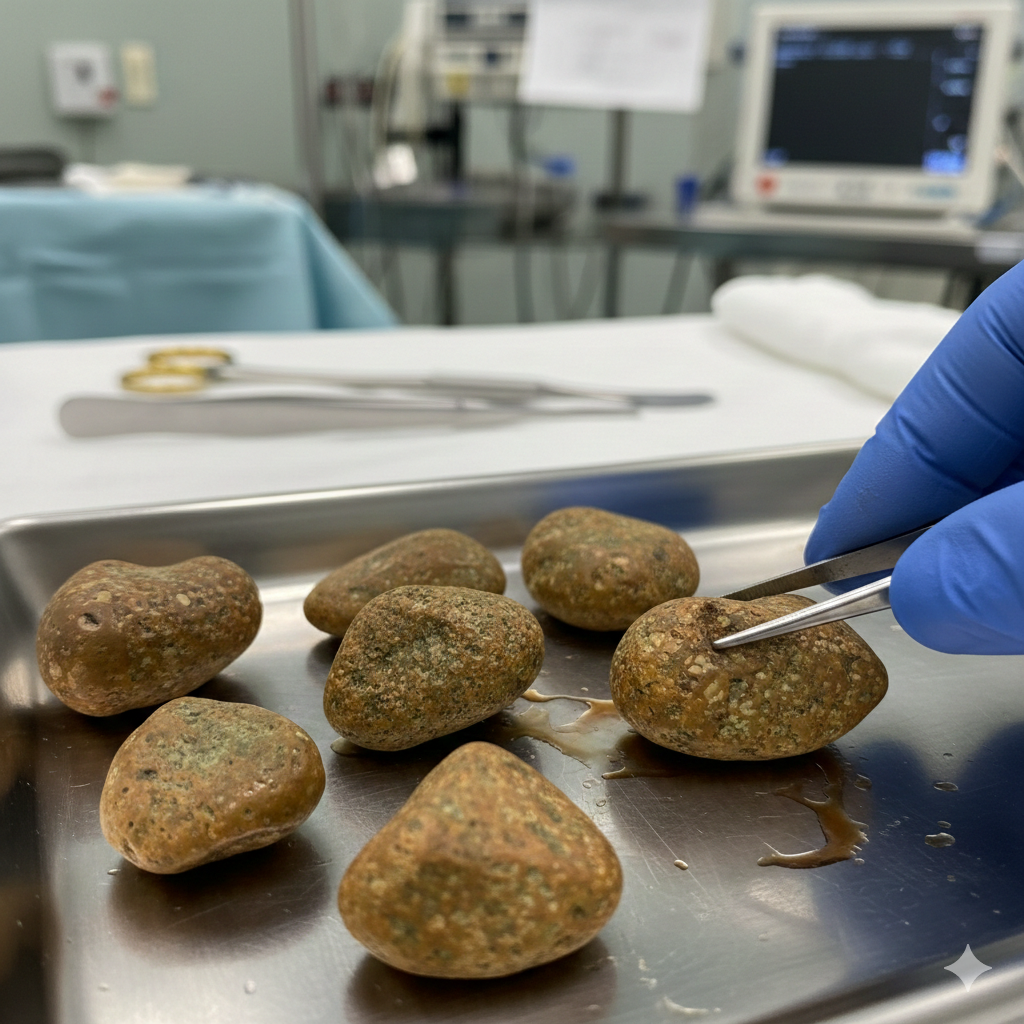
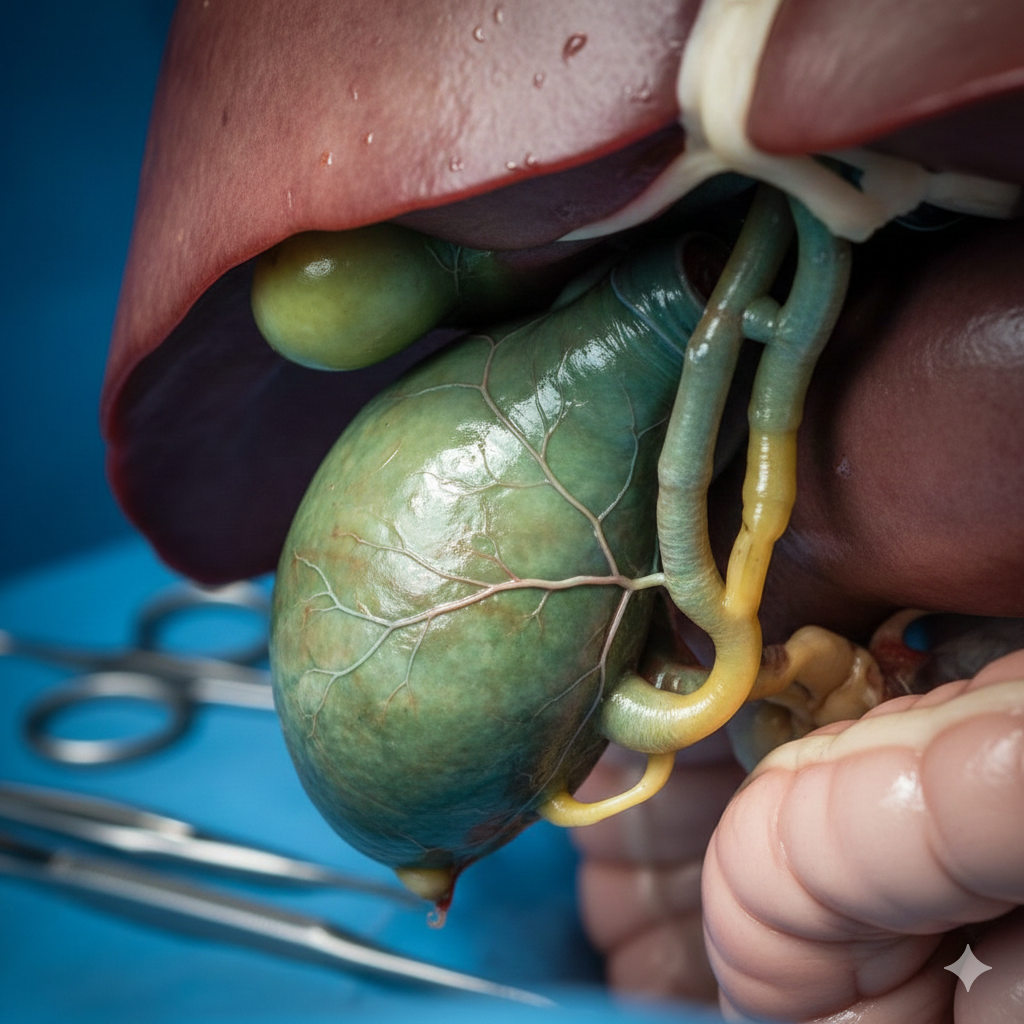
Gallstones are small, rock-like deposits that form in the gallbladder — a small organ under your liver that stores bile (a digestive fluid that helps break down fats). Many people have gallstones and never know it. Trouble starts when a stone blocks the normal flow of bile.
What gallstone pain usually feels like
The most common symptom is an attack of pain often called biliary colic. It typically shows up as:
Sudden pain in the upper right abdomen (sometimes in the upper middle abdomen)
Pain that builds quickly and can last 30 minutes to several hours
Pain that may spread to the right shoulder or between the shoulder blades
Pain often paired with nausea and/or vomiting
Pain that may happen after a heavy or fatty meal, but can also happen randomly
This pain isn’t usually a mild cramp. People often describe it as intense, gripping, or hard to ignore.
Silent gallstones are common
Here’s the weird part: you can have gallstones with zero symptoms. They’re often found accidentally during an ultrasound done for another reason. If there are no symptoms, treatment is often not needed unless complications develop.
Other common signs that may come with gallstones
Some people also experience:
Bloating or gas
Indigestion after meals
Feeling unusually full quickly
Mild discomfort in the upper abdomen
Important: these symptoms can overlap with many other digestive issues, so they’re not “proof” of gallstones by themselves.
Red-flag symptoms that can mean a complication
When gallstones cause a blockage or infection, symptoms can become serious. Seek urgent medical care if you have:
1) Fever and chills with abdominal pain
This can signal gallbladder inflammation or infection.
2) Yellow eyes or yellow skin (jaundice)
This can happen if a stone blocks a bile duct. You might also notice:
Dark urine
Pale or clay-colored stools
Intense itching in some cases
3) Severe upper abdominal pain with repeated vomiting
This may indicate the stone is causing irritation or inflammation of nearby organs, including the pancreas — which can become an emergency.
4) Pain that won’t stop
If the pain is strong and lasts more than a few hours, don’t try to “tough it out.”
When to get help immediately
Go to urgent care or an emergency room if you have:
Severe abdominal pain that won’t ease
Fever with abdominal pain
Yellowing of skin or eyes
Persistent vomiting or signs of dehydration
Gallbladder complications are treatable — but delaying can make them much more dangerous.
Who is more likely to develop gallstones?
Risk tends to increase if you:
Are female
Are over 40
Have a family history of gallstones
Are overweight or have obesity
Have experienced rapid weight loss
Are pregnant or have had multiple pregnancies
Eat a diet high in refined carbs and unhealthy fats (risk factor, not a guarantee)
How gallstones are diagnosed
The most common test used is an abdominal ultrasound. It’s fast, noninvasive, and usually the first step when symptoms suggest a gallbladder issue. Blood tests may also be done to check for infection, inflammation, or bile duct blockage.
What treatment usually looks like
Treatment depends on whether the stones are causing symptoms:
No symptoms: often no treatment needed, just monitoring
Repeated painful attacks: treatment may involve removing the gallbladder (a common surgery)
Blocked bile ducts or complications: may require urgent treatment and additional procedures
People can live normally without a gallbladder. After removal, bile flows directly from the liver into the intestine. Some people notice temporary changes like loose stools, especially after fatty meals, but many adjust over time.
Quick self-check: Does this sound familiar?
Gallstones become more likely if you’ve had:
Sudden upper right abdominal pain that comes in attacks
Pain after meals with nausea or vomiting
Pain radiating to the right shoulder or upper back
Any attack of pain plus fever or jaundice
The bottom line
Gallstones can be silent, but when they act up, they often cause intense, specific pain patterns. If your symptoms match the red flags especially fever, jaundice, nonstop pain, or repeated vomiting — treat it as urgent and get medical help fast.
For those seeking expert ultrasound services, Atlanta Ultrasound offers quick, efficient, and comprehensive scans. Our team of skilled professionals is dedicated to providing you with the clarity and care you need.
Contact us today to schedule your ultrasound scan and take a decisive step towards understanding your health.
📍 Multiple locations in Metro Atlanta, GA
📞 Contact: 678-590-3300
🌐 Website:www.atlantaultrasound.com
Disclaimer: The content of this blog post, authored by a sonographer, is provided for educational and informational purposes only. It is not intended as medical advice, nor should it substitute for professional medical consultation, diagnosis, or treatment. Always seek the advice of your physician or other qualified health providers with any questions you may have regarding a medical condition or health concerns.