
Seeing Is Believing: The Benefits of Ultrasound for Patients and Providers
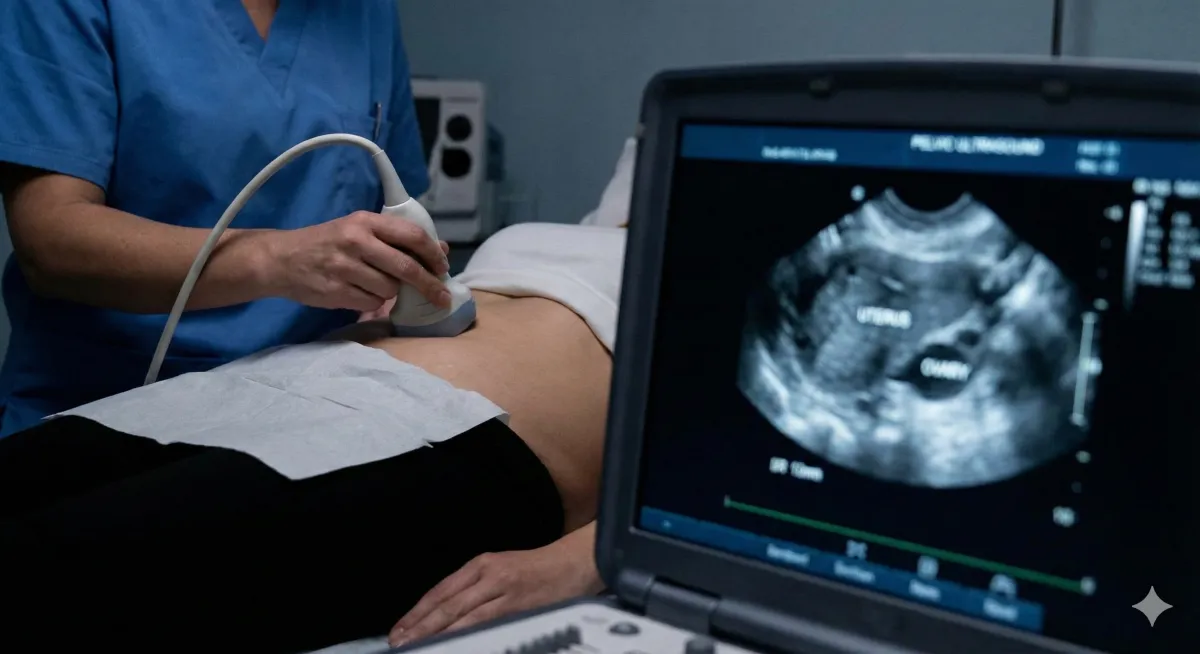
Pelvic Ultrasound for Fibroids: Size vs Symptoms
Pelvic Ultrasound for Fibroids: Size vs Symptoms
Seeing “fibroid” on an ultrasound report can trigger instant panic especially when the report includes a number in centimeters. But here’s the twist: fibroid size alone is a lousy predictor of how miserable you’ll feel.
In fact, one major health resource notes that fibroid size doesn’t seem to track with symptom severity small fibroids can cause major symptoms, and large ones can cause none.
So what does matter? A lot. And pelvic ultrasound is one of the best ways to understand why your symptoms are happening (or why they aren’t).

First: What fibroids are (and what they aren’t)
Uterine fibroids (also called leiomyomas or myomas) are benign (non-cancerous) growths that develop from the muscle tissue of the uterus.
They’re common, and many people have them without ever knowing because many fibroids cause no symptoms at all.
What a pelvic ultrasound actually tells you
A pelvic ultrasound doesn’t just “find fibroids.” It helps map them.
Typically, ultrasound can show:
How many fibroids are present
Where they are located (this is huge)
Their size (usually measured in 3 dimensions)
How they affect the shape of the uterus
Sometimes, whether they have signs of changes like degeneration (which can relate to pain)
Providers often use two approaches:
Transabdominal ultrasound (over the lower belly)
Transvaginal ultrasound (internal, closer view of the uterus)
Both can be valuable depending on your anatomy and what your clinician needs to evaluate.
The myth: “A bigger fibroid means worse symptoms”
It’s an understandable assumption and often wrong.
Yes, size can matter, especially for “bulk” symptoms like pressure on the bladder. But symptom severity is usually driven by location, direction of growth, and effect on the uterine cavity, not just the number on the report.
A major NIH resource puts it bluntly: the size of fibroids doesn’t seem to be related to how severe symptoms are, and even small fibroids can cause heavy periods and significant symptoms.
The reality: 5 reasons smaller fibroids can feel worse than bigger ones
1) Location
Symptoms can be influenced by location, size, and number but location often carries the most weight.
Fibroids are commonly described by where they grow:
Submucosal (push into the uterine cavity)
Intramural (within the uterine wall)
Subserosal (push outward from the uterus)
Pedunculated (attached by a stalk inside or outside the uterus)
Why this matters:
Submucosal fibroids are often the most symptomatic, even though they’re the least common.
They can trigger heavy bleeding, clots, anemia, cramping, and sometimes fertility issues because they disrupt the uterine lining and cavity.Subserosal fibroids (growing outward) may cause pressure symptoms (bladder/bowel), but may not cause heavy bleeding the way submucosal fibroids often do.
Translation: A 2 cm fibroid in the wrong spot can cause more trouble than an 8 cm fibroid in a quiet spot.
2) Whether it distorts the uterine cavity
If a fibroid changes the shape of the uterine cavity (especially submucosal or some intramural fibroids), symptoms like:
heavy or prolonged periods
spotting between periods
cramping
can ramp up quickly.
That’s why some people with “small” fibroids still bleed heavily.

3) What it presses on (bladder, bowel, nerves)
Some symptoms are simply mechanical.
Fibroids can cause symptoms like:
pelvic pressure or pain
frequent urination or trouble urinating
constipation
…and these symptoms are influenced by location, size, and number.
A fibroid on the front of the uterus (toward the bladder) can lead to urinary frequency even if it’s not enormous. A fibroid toward the back can contribute to constipation or back pressure.
4) Number of fibroids and “total bulk” (not just the largest one)
Sometimes one fibroid isn’t the issue—it’s the combination.
Multiple medium-sized fibroids can enlarge the uterus overall and create symptoms even if no single fibroid is “huge.”
5) Degeneration and other “fibroid-adjacent” causes of pain
Fibroids can sometimes outgrow their blood supply and change internally (often called “degeneration”), which can be painful.
Also, pelvic symptoms aren’t always from fibroids alone. Things like ovarian cysts, adenomyosis, or endometriosis can overlap. Ultrasound helps your provider look for other possible contributors.
“My fibroid is big, but I feel fine.” Is that normal?
Yep. It happens all the time.
Many people have fibroids without symptoms, and when symptoms do occur, they’re influenced by location, size, and number not size alone.
That said, even symptom-free fibroids may still matter in certain situations (like pregnancy plans or rapid growth concerns). That’s a provider-level conversation ultrasound is just the map.
What happens after the ultrasound?
Your clinician uses your ultrasound results plus your symptoms to decide next steps.
Authoritative medical references consistently frame fibroid management around symptoms and patient goals (not just measurements).
That might include:
monitoring over time if symptoms are mild
medication options to manage bleeding or pain
procedures or surgery in some cases (depending on goals, severity, and fibroid type)
When fibroid symptoms are a “don’t wait” situation
Contact a clinician promptly (or seek urgent care) if you have:
Bleeding so heavy you’re soaking pads/tampons quickly for hours
Dizziness, fainting, chest pounding, or shortness of breath (possible anemia)
Sudden severe pelvic pain (especially with fever)
Pregnancy + significant pain/bleeding
Ultrasound helps, but your symptoms are the alarm system—don’t ignore them.
How to prepare for a pelvic ultrasound (simple and practical)
Preparation depends on the type of scan:
Transabdominal: you may be asked to arrive with a full bladder (it helps create a clearer “window” to see the uterus).
Transvaginal: you’re usually more comfortable with an emptier bladder, and it often gives a sharper view of the uterus and ovaries.
If you’re nervous about transvaginal imaging, tell the clinic—good imaging teams adjust approach with professionalism and care.
Bottom line
If you take only one idea from this:
Fibroid symptoms are more about location and impact than size.
Pelvic ultrasound is powerful because it turns vague fear (“I have fibroids… now what?”) into specifics:
where they are
what they’re doing to the uterus
what might explain your symptoms
And that clarity is what helps your clinician recommend the right next step.
For those seeking expert ultrasound services, Atlanta Ultrasound offers quick, efficient, and comprehensive scans. Our team of skilled professionals is dedicated to providing you with the clarity and care you need.
Contact us today to schedule your ultrasound scan and take a decisive step towards understanding your health.
📍 Multiple locations in Metro Atlanta, GA
📞 Contact: 678-590-3300
🌐 Website:www.atlantaultrasound.com
Disclaimer: The content of this blog post, authored by a sonographer, is provided for educational and informational purposes only. It is not intended as medical advice, nor should it substitute for professional medical consultation, diagnosis, or treatment. Always seek the advice of your physician or other qualified health providers with any questions you may have regarding a medical condition or health concerns.