Seeing Is Believing: The Benefits of Ultrasound for Patients and Providers
Carotid Ultrasound and TIA: What symptoms make doctors check the neck arteries?
Carotid Ultrasound and TIA: What Symptoms Make Doctors Check the Neck Arteries?
A TIA (transient ischemic attack) is a warning shot where blood flow to part of the brain (or the eye) is briefly reduced or blocked. Symptoms can disappear in minutes but the stroke risk right after a TIA can be high, so clinicians treat it like an emergency.
One big question doctors try to answer fast is: Did a narrowed carotid artery (neck artery) send a tiny clot to the brain or eye? That’s where a carotid ultrasound (carotid duplex) comes in.

Why the carotid arteries matter in TIA
Your carotid arteries run up both sides of your neck and supply blood to the front part of the brain and the eyes. If plaque builds up there, it can narrow the artery (stenosis) or shed debris that travels upward, causing a TIA or stroke.
Because of that, major stroke-prevention guidance recommends noninvasive carotid imaging (ultrasound, CTA, or MRA) in people with TIA or stroke symptoms when they may be candidates for treatment.
The symptom patterns that scream check the carotids
Not every neurological symptom comes from the carotids. But certain patterns make clinicians much more suspicious of carotid disease especially when symptoms are sudden, focal (affecting a specific function), and one-sided.
1) One-sided weakness or numbness (face/arm/leg)
If someone suddenly can’t move an arm, has facial droop, or feels numbness/tingling on one side, doctors take that seriously as possible anterior circulation ischemia (often supplied by the carotids).
Examples:
Face droop on the right and right arm weakness
Sudden left-sided numbness that resolves after 10 minutes
2) Speech or language problems
Speech symptoms are classic for TIA/stroke and often point to the carotid-supplied side of the brain:
Aphasia: can’t find words / speech doesn’t make sense
Dysarthria: slurred speech
This is part of why tools like FAST exist (Face, Arm, Speech).
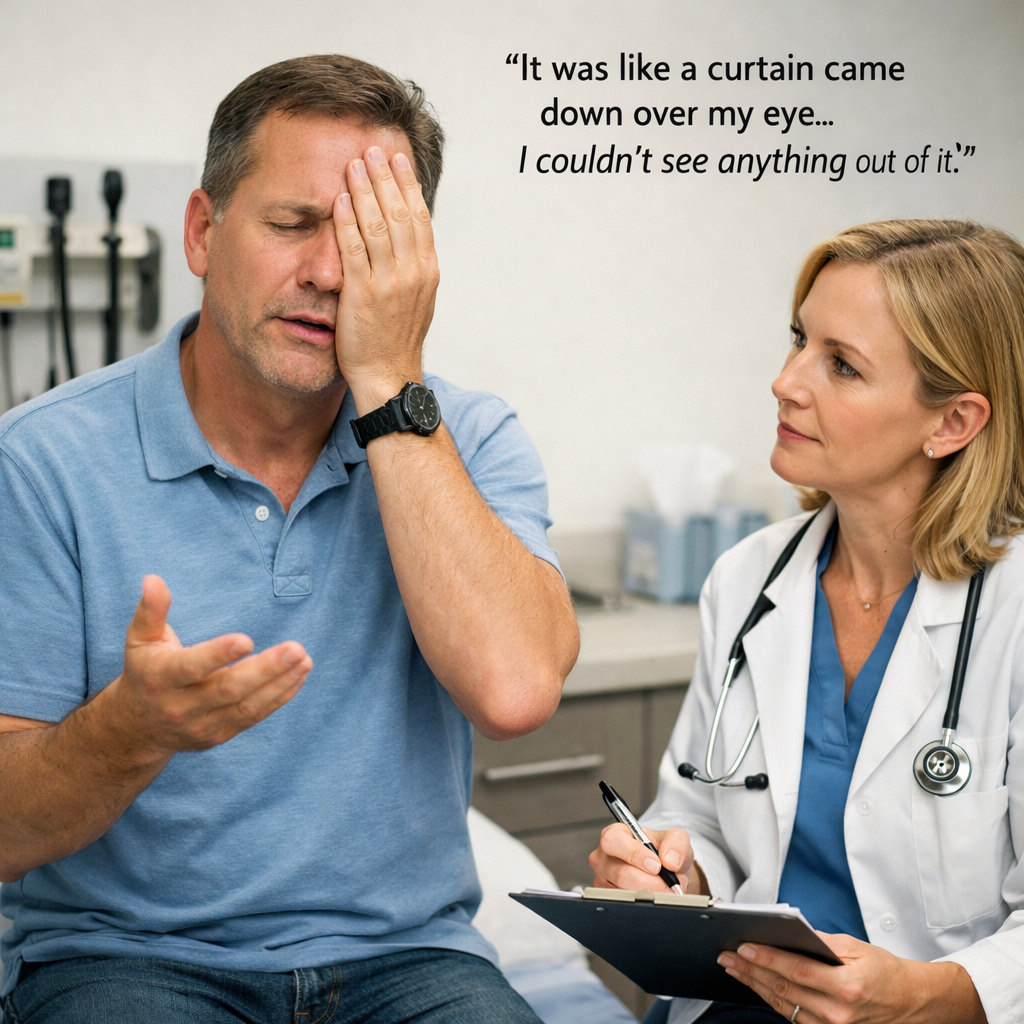
3) Temporary blindness or visual “shade” in one eye (amaurosis fugax)
This one is a huge carotid clue.
People may describe:
A curtain/shadow coming down over one eye
Sudden painless loss of vision in one eye that returns minutes later
That pattern can happen when plaque or clot from the ipsilateral carotid artery affects blood flow to the retina.
4) Repeated, similar short episodes
If symptoms repeat in a similar way , it can suggest an ongoing source of emboli (tiny clots), and carotid plaque is one possible source doctors want to rule in/out quickly.
5) “Minor stroke” or TIA already suspected in the ER/clinic
Once a clinician thinks “TIA/minor stroke, vascular imaging moves up the priority list. Some protocols favor CTA or MRA of head/neck when available, with carotid duplex used in specific circumstances
Symptoms that alone are less carotid-specific
Here’s where people get misled by the internet.
Symptoms like:
dizziness/vertigo by itself
fainting
generalized weakness
confusion without focal deficits
…can come from many causes, and aren’t classic carotid-TIA patterns on their own. That said: if dizziness comes with weakness, speech problems, vision loss, severe imbalance, or sudden severe headache, clinicians still treat it like a possible stroke pathway.
What else pushes doctors to order carotid ultrasound (beyond symptoms)
Symptoms are the match. Risk factors are the gasoline.
Doctors are more likely to check carotids when TIA-like symptoms happen in someone with:
high blood pressure
diabetes
high cholesterol
smoking history
known vascular disease (CAD/PAD)
prior TIA/stroke
A carotid bruit (a whooshing sound) can also raise suspicion, but it’s not a reliable screening tool by itself.
Also important: routine screening in people with no symptoms is generally not recommended because false positives can lead to unnecessary downstream procedures.
How urgent is carotid testing after a suspected TIA?.
Guidance emphasizes rapid specialist assessment after suspected TIA often within 24 hours because early stroke risk is front-loaded.
And when carotid disease is relevant, pathways often aim to complete imaging quickly since carotid intervention (in appropriate cases) is time-sensitive.
What a carotid ultrasound actually tells you
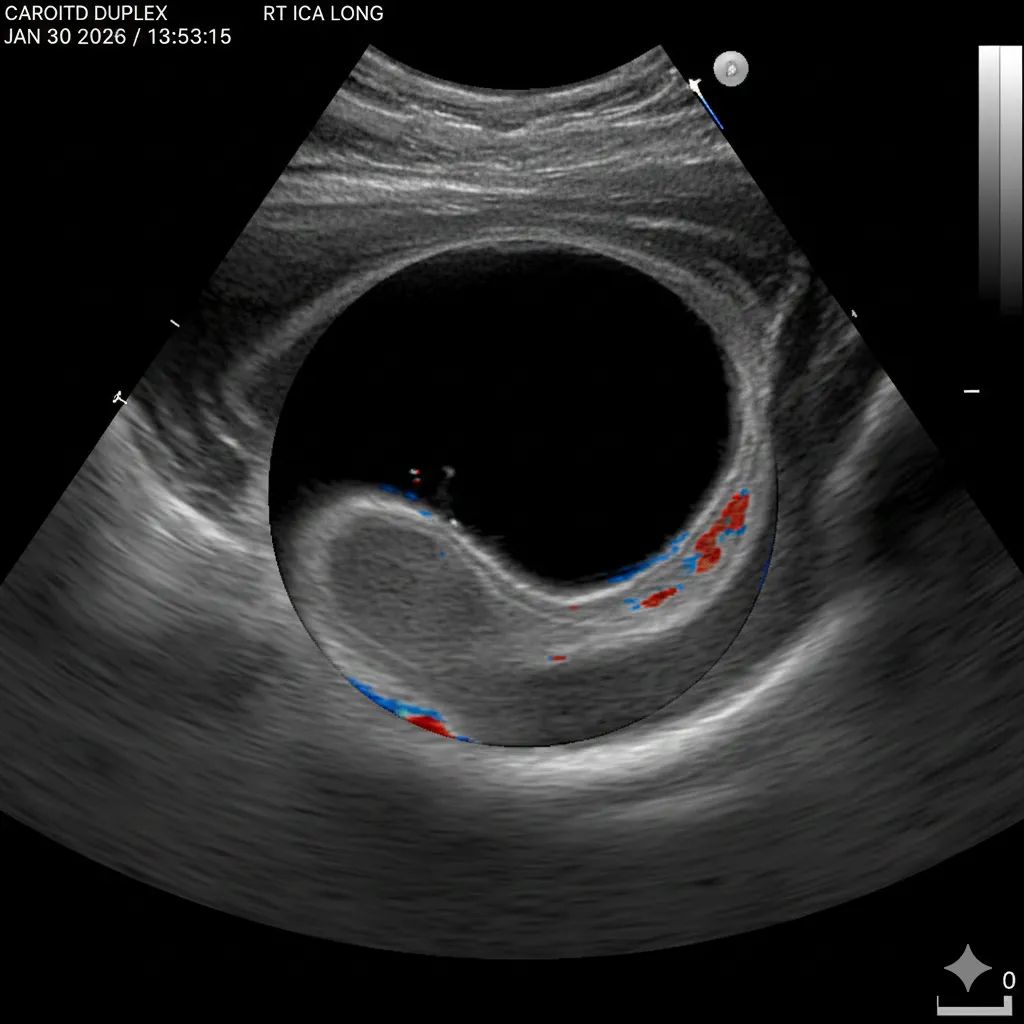
A carotid duplex ultrasound is a noninvasive test that looks at:
plaque in the carotid artery walls
how narrowed the artery is (stenosis)
blood flow speed and patterns
It does not diagnose “TIA” by itself — it helps identify a possible cause and guide next steps.
Typical result categories:
No significant stenosis
Mild/moderate stenosis
Severe stenosis (more concerning if symptoms match that side)
If stenosis is severe and symptoms fit, clinicians may discuss treatment options (medications, risk factor control, and sometimes procedures like carotid endarterectomy or stenting depending on the case).
What to do if you (or a loved one) has TIA symptoms
If symptoms suggest stroke/TIA even if they go away , treat it as an emergency. Many guidelines push rapid evaluation because “it went away” is not a free pass.
For those seeking expert ultrasound services, Atlanta Ultrasound offers quick, efficient, and comprehensive scans. Our team of skilled professionals is dedicated to providing you with the clarity and care you need.
Contact us today to schedule your ultrasound scan and take a decisive step towards understanding your health.
📍 Multiple locations in Metro Atlanta, GA
📞 Contact: 678-590-3300
🌐 Website:www.atlantaultrasound.com
Disclaimer: The content of this blog post, authored by a sonographer, is provided for educational and informational purposes only. It is not intended as medical advice, nor should it substitute for professional medical consultation, diagnosis, or treatment. Always seek the advice of your physician or other qualified health providers with any questions you may have regarding a medical condition or health concerns.